
3 Ways A Designer Makes A Room Feel Custom
One of the most common questions clients ask is why certain rooms feel designed while others—even with nice furniture—still feel unfinished or generic. The difference is rarely budget or square footage. It comes down to a handful of intentional design decisions that professionals make almost instinctively.
Below are three foundational ways designers make a room feel custom, layered, and elevated—without tearing down walls or doing a full renovation.
1. They Get the Scale Right (Almost Always Bigger Than You Think)
A room can have beautiful finishes and still feel underwhelming if the scale is off. Designers are trained to think in proportion, not just in terms of what fits.
Common non-designer mistakes:
Rugs that float under furniture instead of anchoring it
Artwork that’s too small for the wall
Light fixtures chosen for price rather than presence
What designers do differently:
Use oversized rugs to visually expand the room
Choose mirrors and artwork that fill wall space intentionally
Select statement lighting that acts as a focal point
Why it works: Proper scale creates visual confidence. When pieces are sized correctly, the room feels deliberate rather than accidental.
Designer sources I use often:
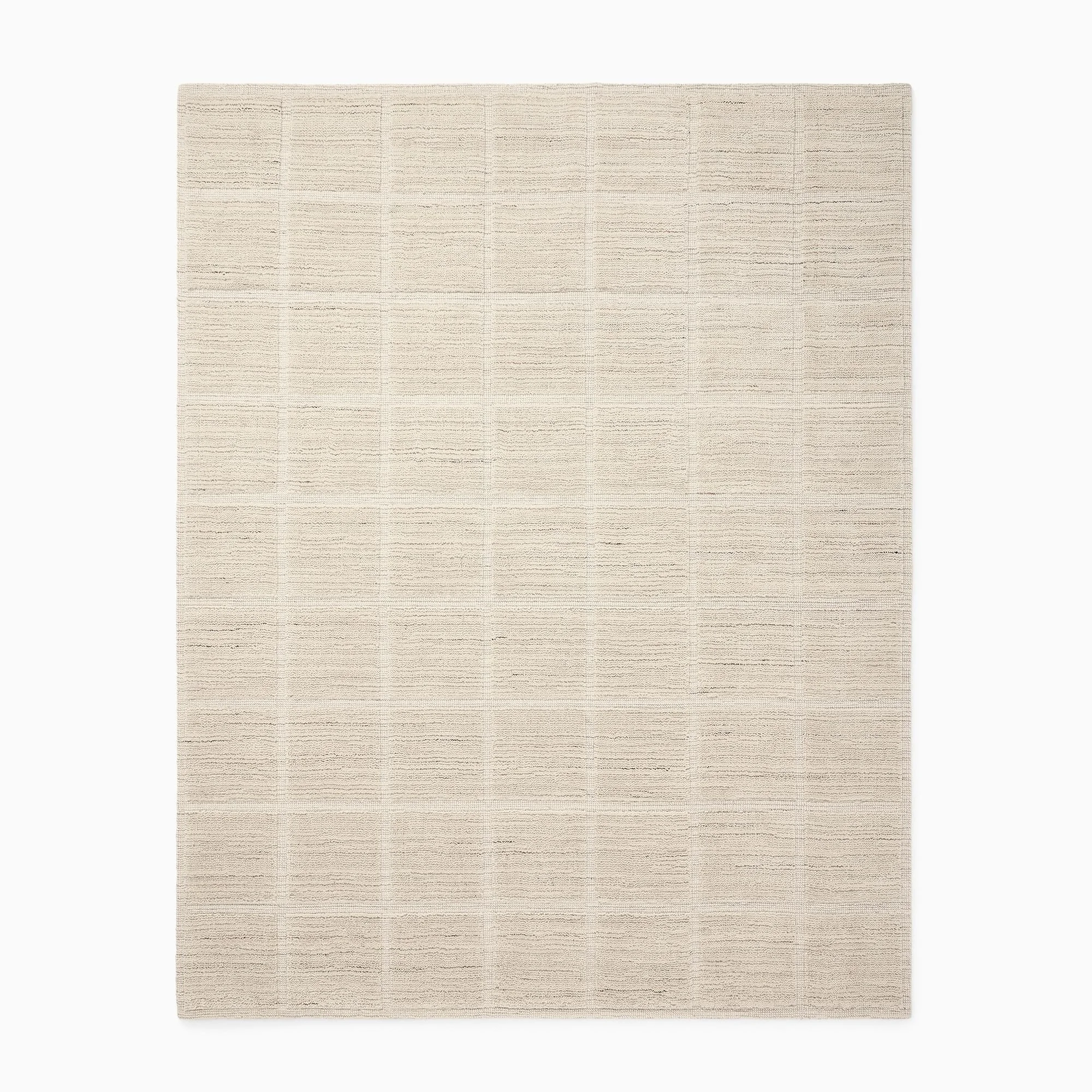
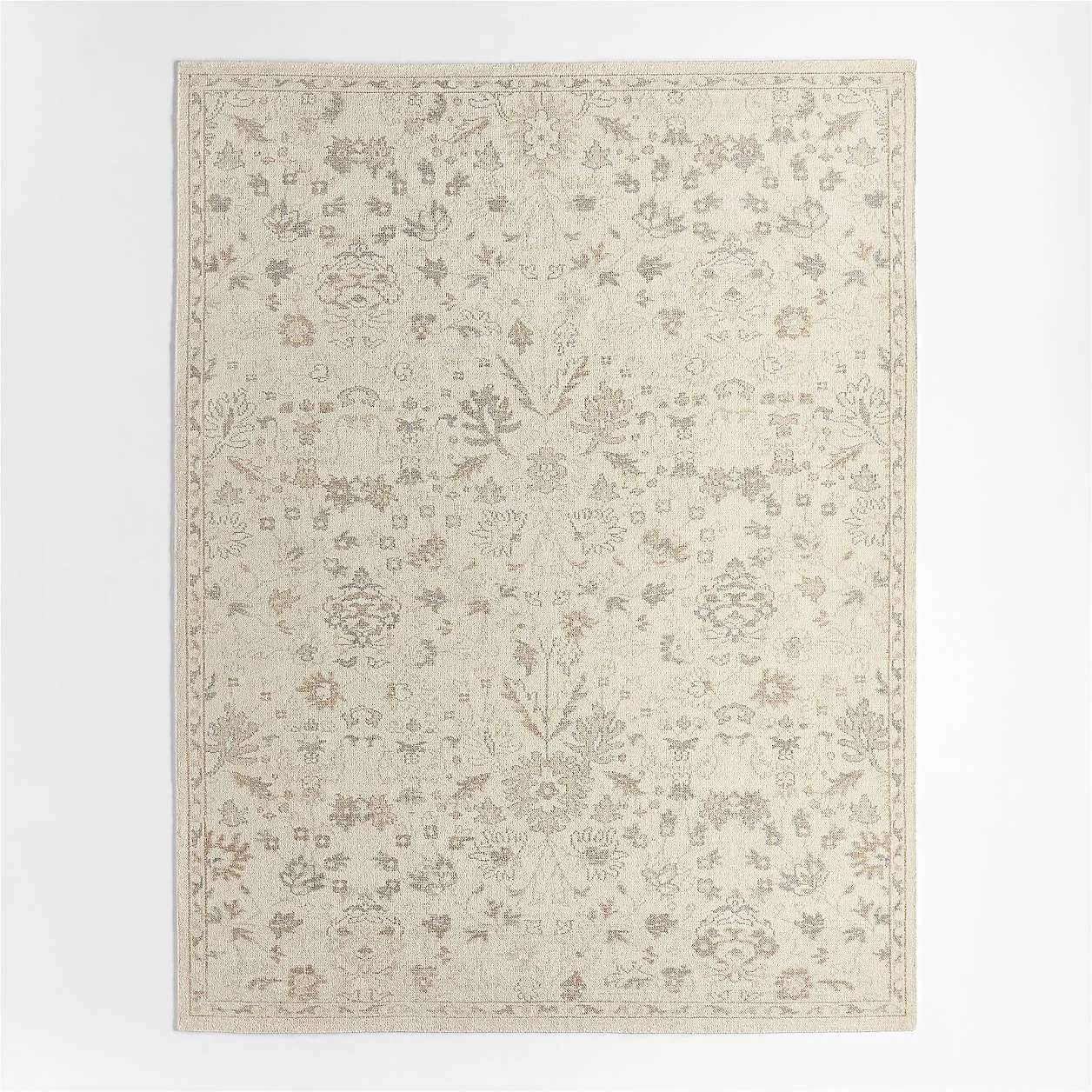
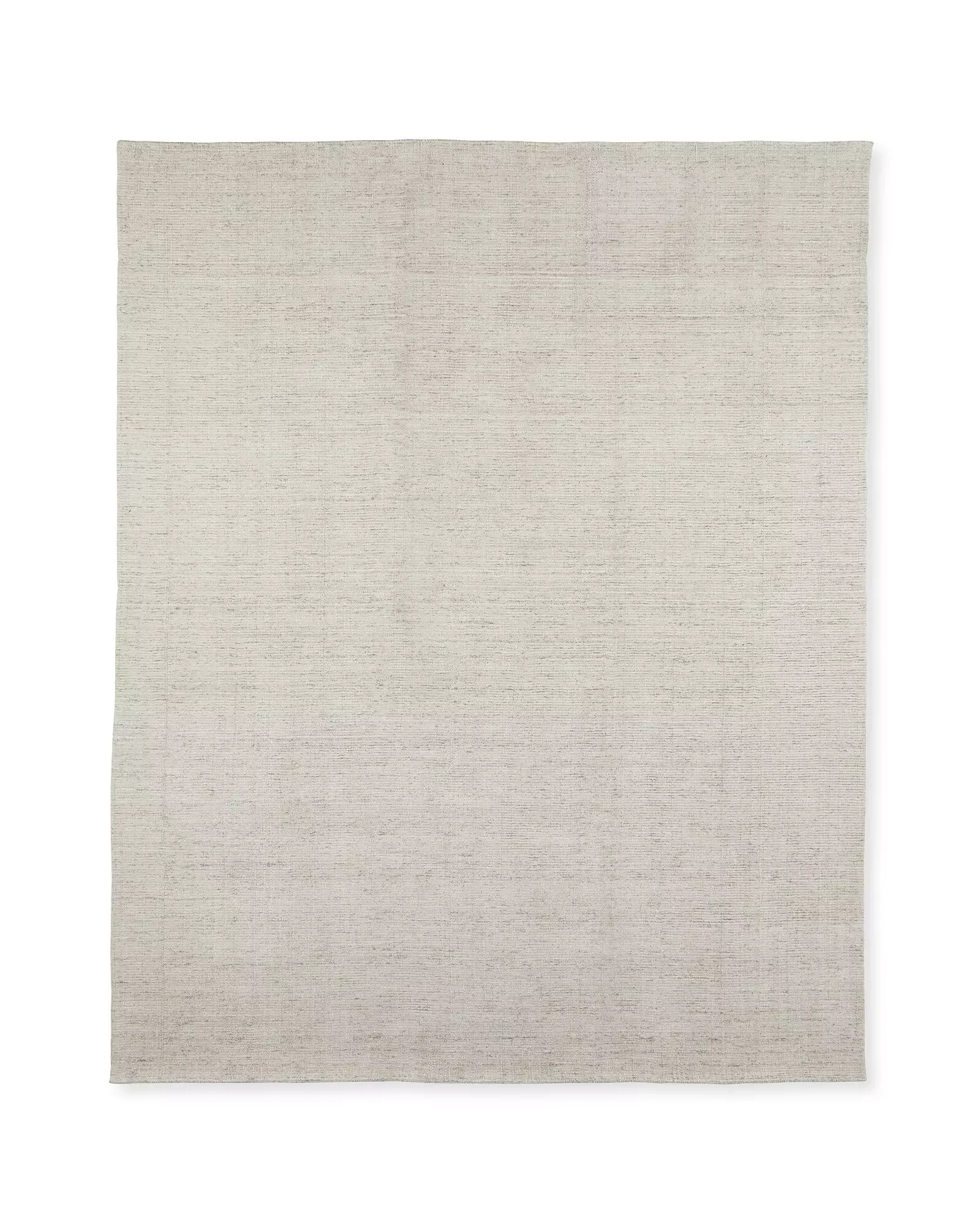
Oversized neutral area rugs with subtle texture (ideal for anchoring seating groups)
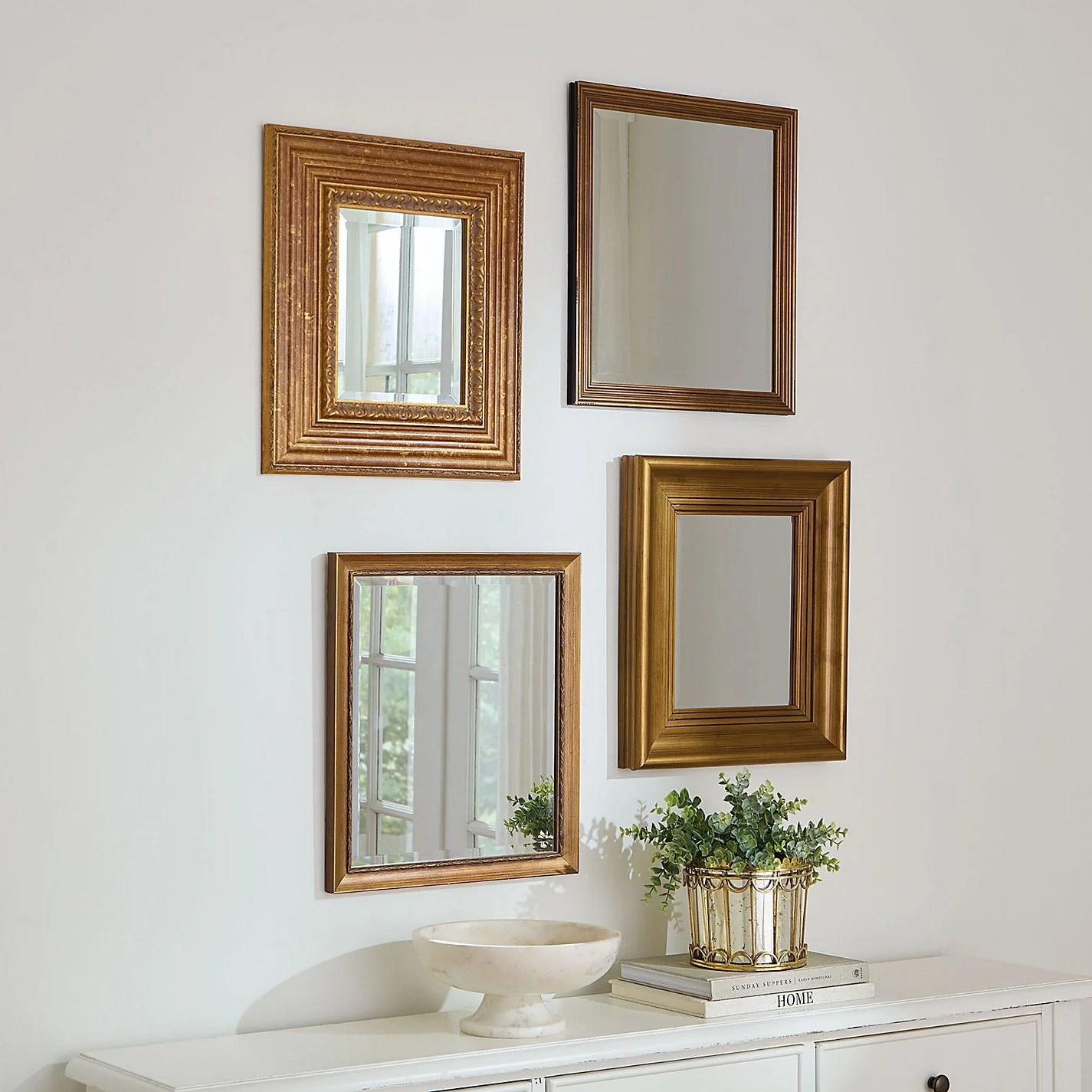
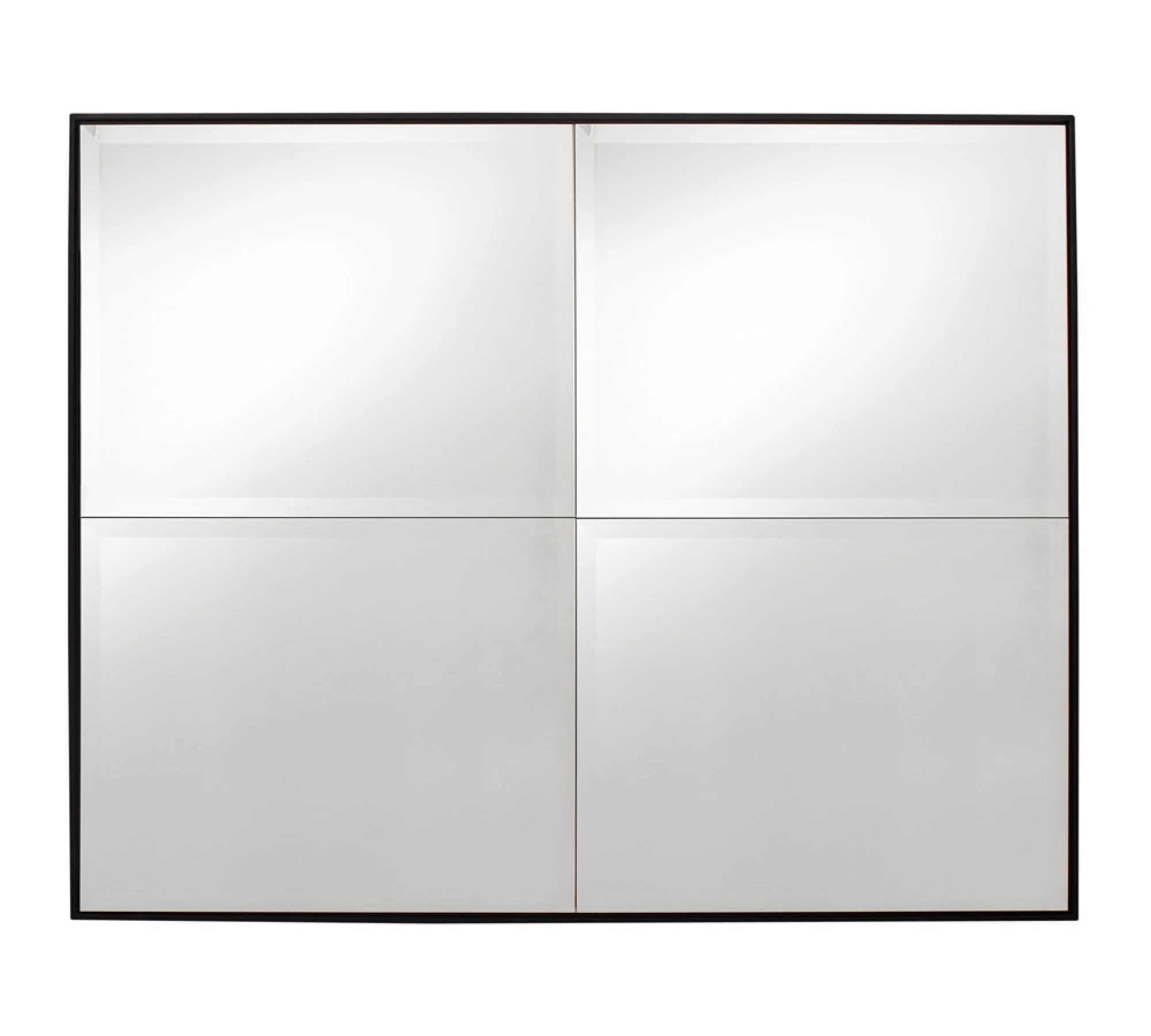
Large-scale wall mirrors (or a set of mirrors) to visually expand smaller rooms
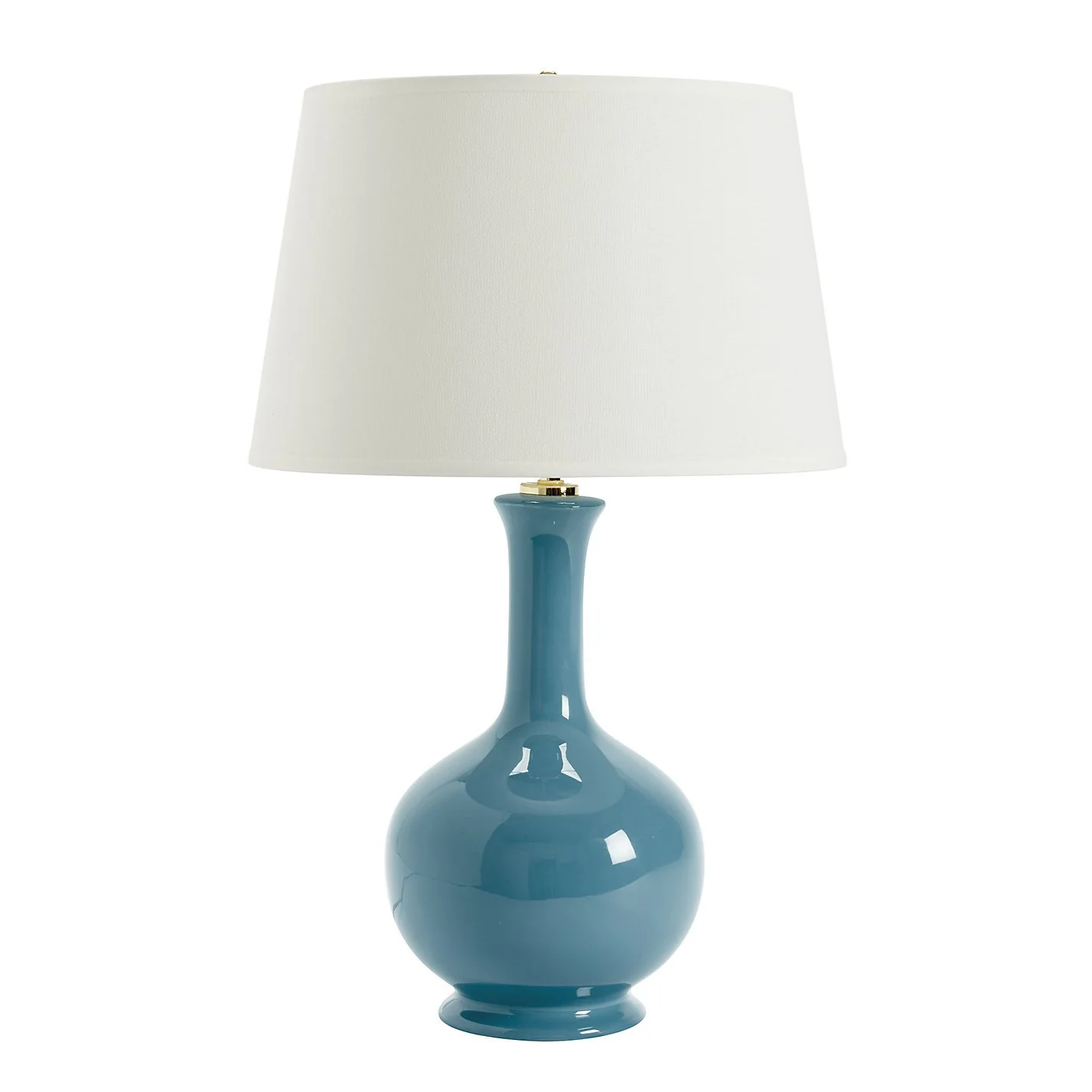
Statement flush mounts or pendants that add presence without overwhelming the space
These are the categories where upgrading quality and scale makes the biggest visual impact, even if the rest of the room remains unchanged.
Designer tip: If you’re between two sizes, the larger option is almost always the right choice.
My Favorite Neutral Area Rugs:
My Favorite Wall Mirrors:

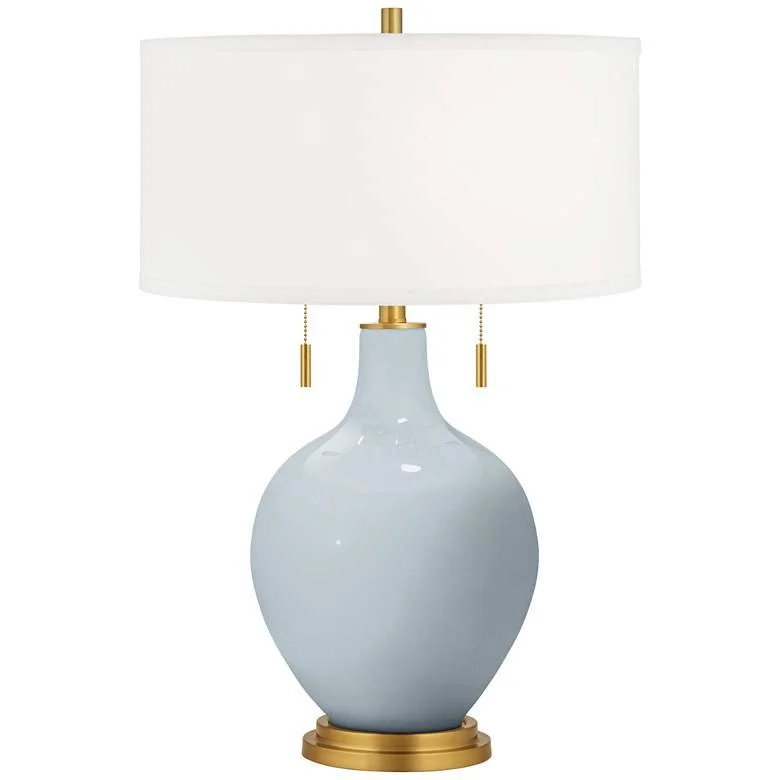
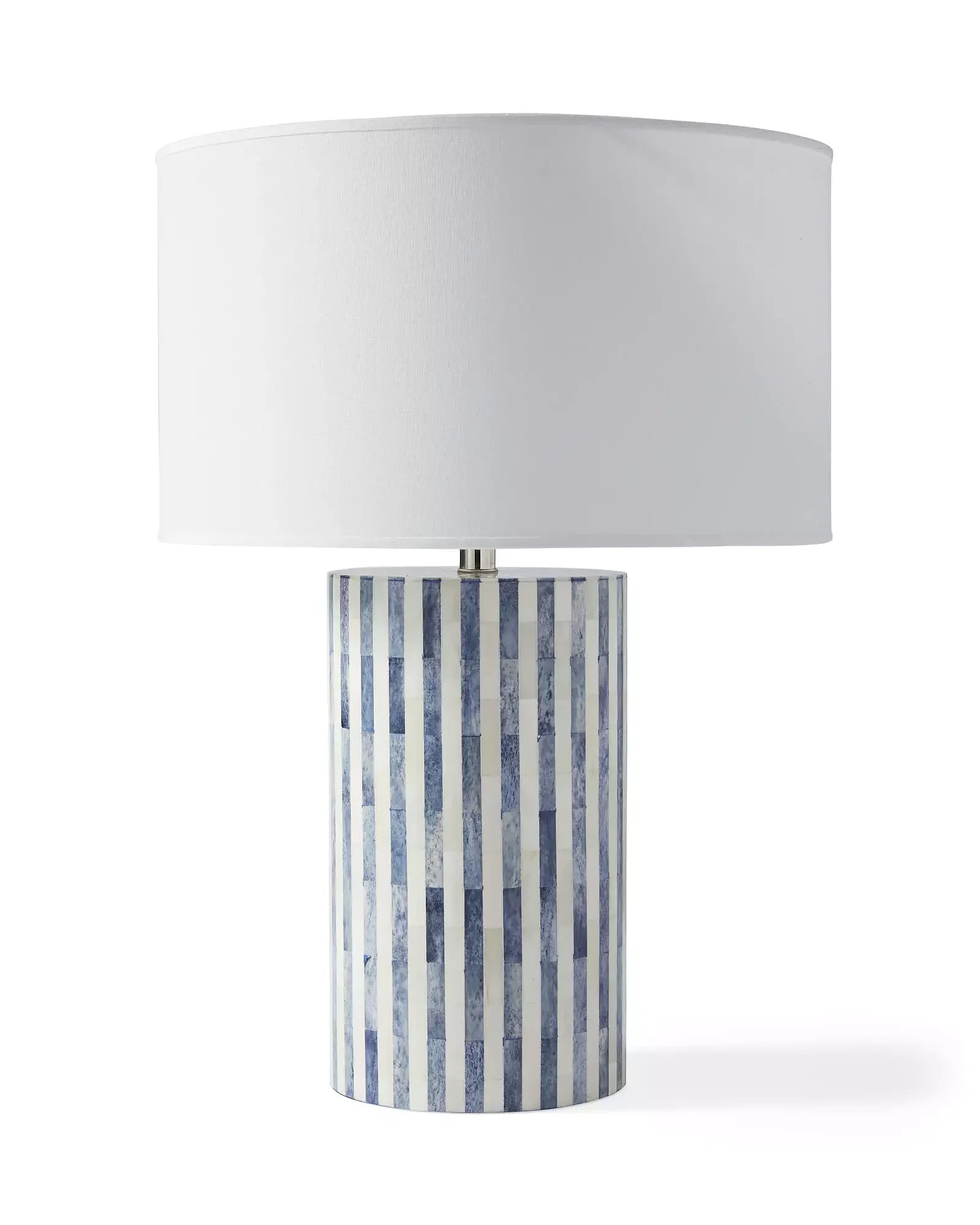
My Favorite Lighting:
2. They Layer Materials and Finishes (Not Just Colors)
A room that relies solely on color to create interest often falls flat. Designers focus instead on material contrast and finish variation.
Instead of matching everything, designers mix:
Warm and cool tones
Matte and reflective surfaces
Natural and refined materials
Examples of intentional layering:
Polished nickel plumbing with aged brass lighting
A wood table paired with stone or ceramic accessories
Soft textiles offset by structured furniture silhouettes
Why it works: Layering finishes adds depth and complexity. It’s what makes a room feel collected over time rather than purchased all at once.
Designer-approved material mixes:
Polished nickel or chrome plumbing paired with warm brass or bronze lighting
Wood furniture with stone, ceramic, or plaster accessories
Linen or performance upholstery layered with woven accents
Designer tip: Limit your palette, then vary the textures within it.
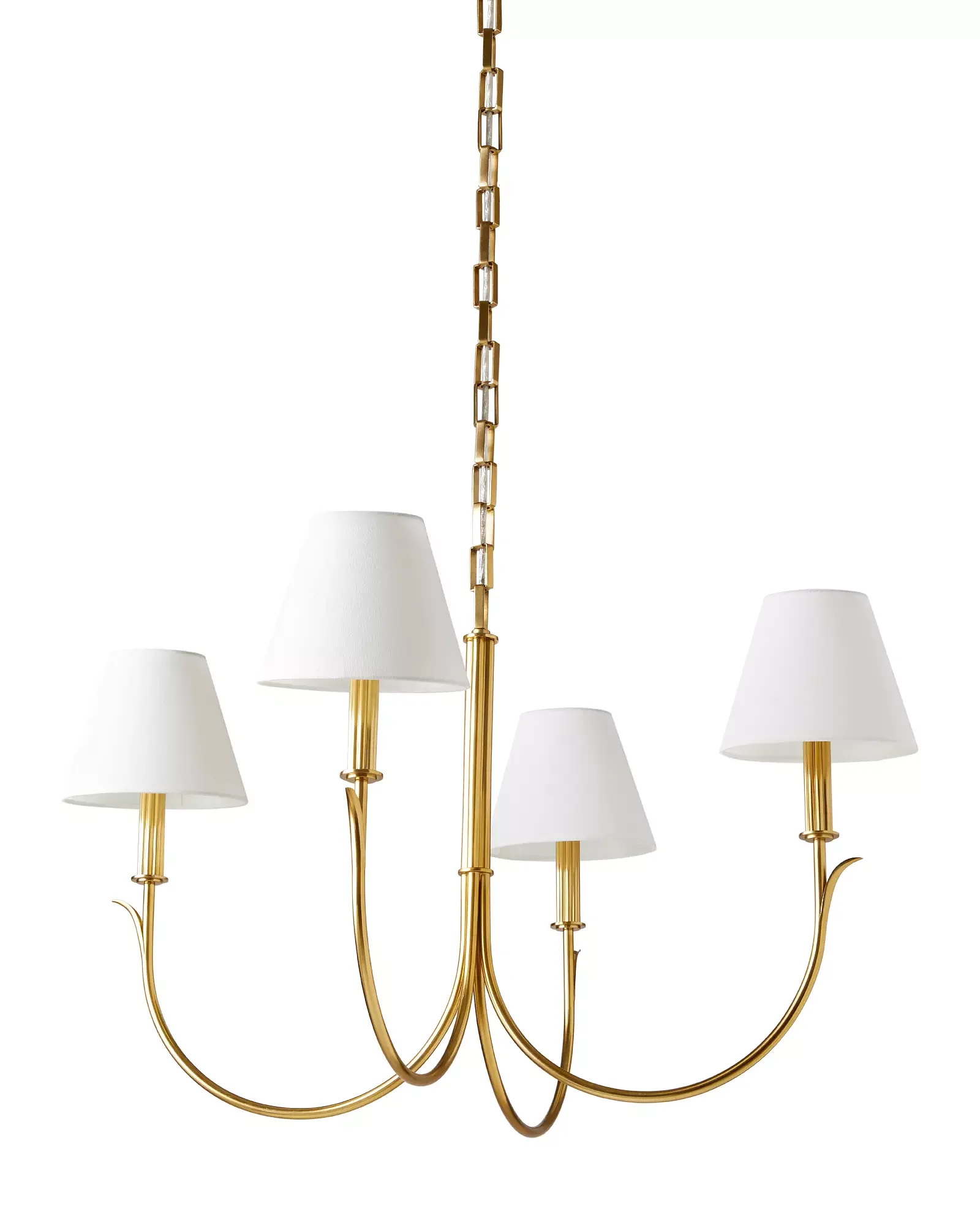
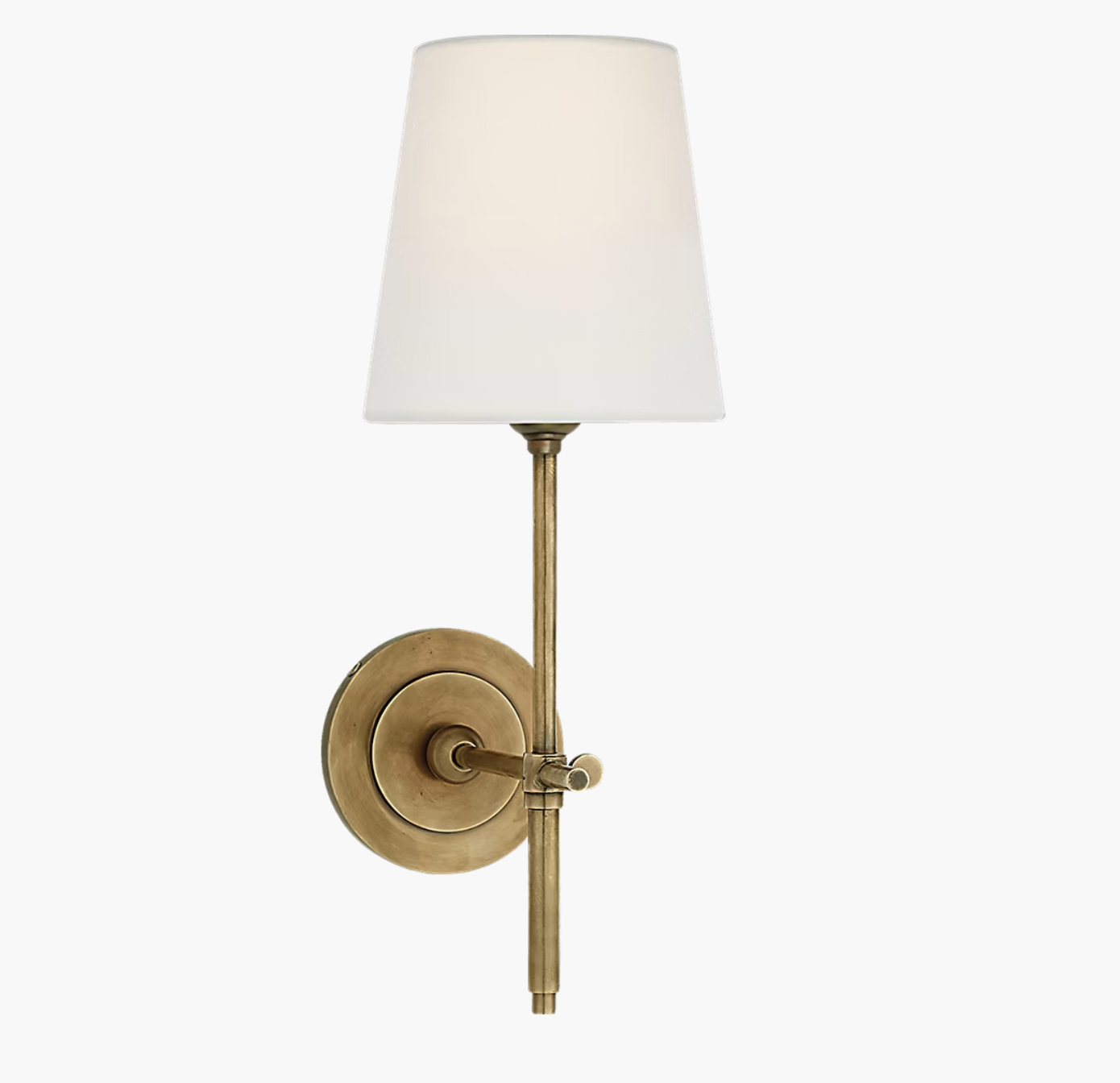
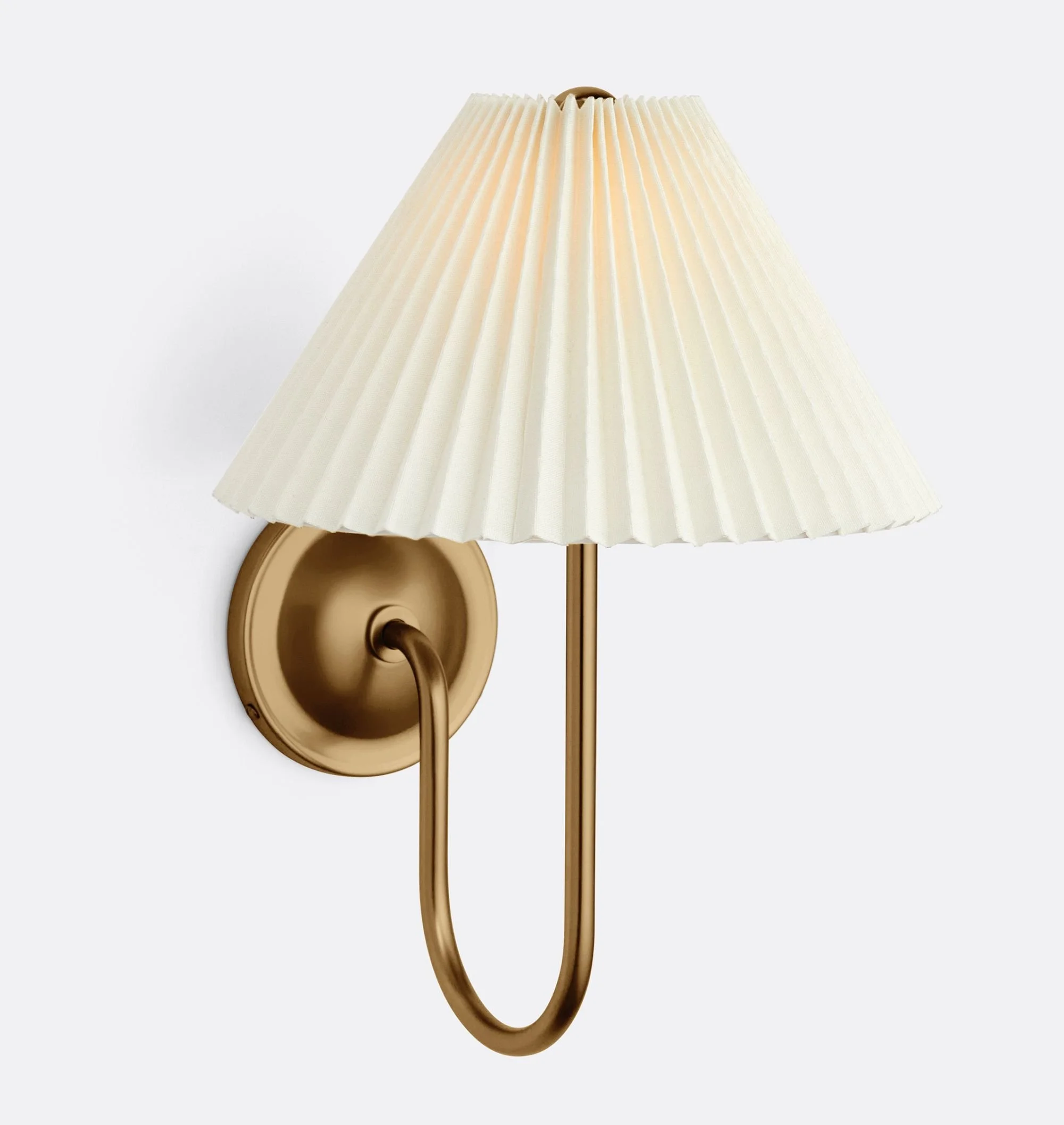
My Favorite Brass Lighting:
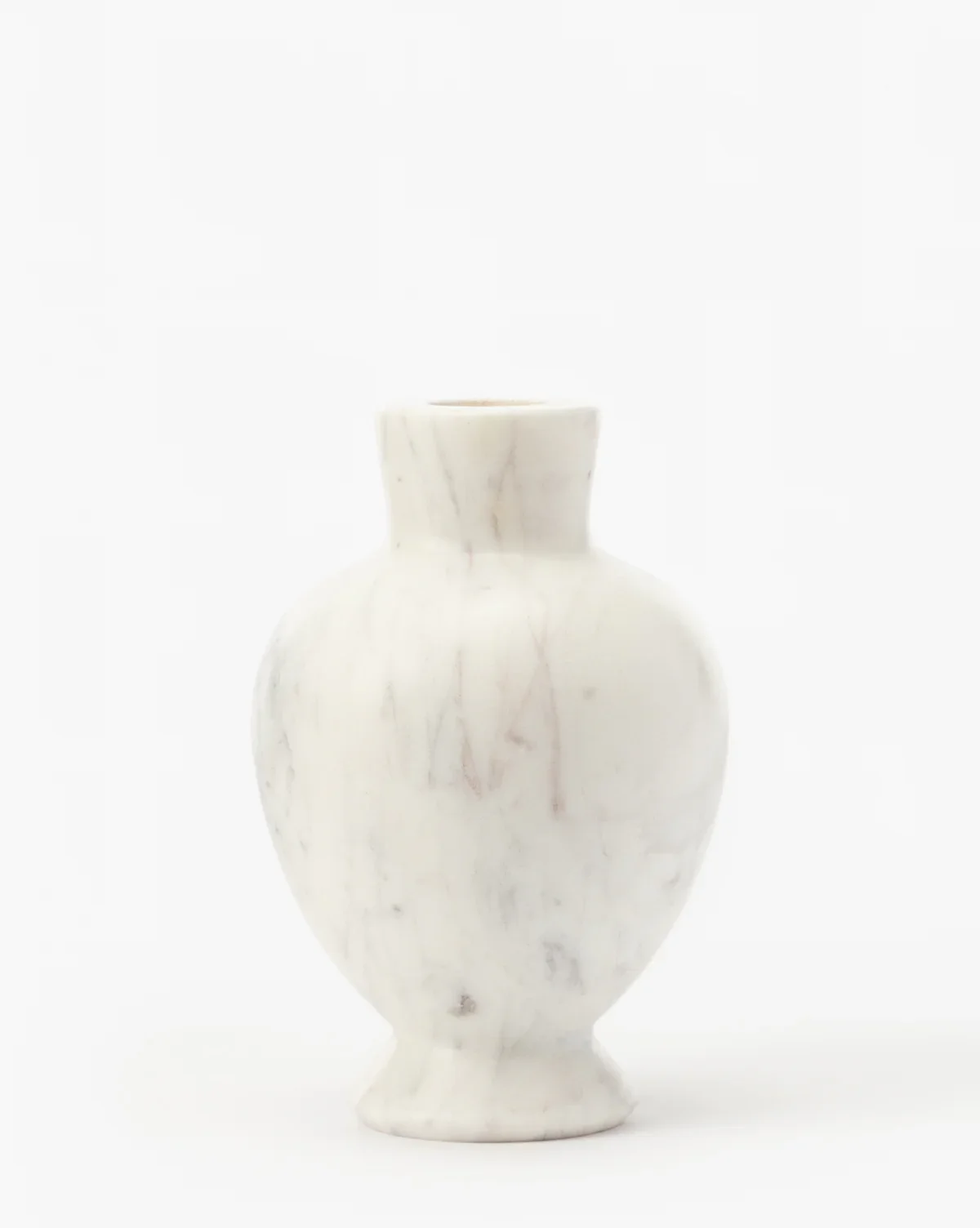
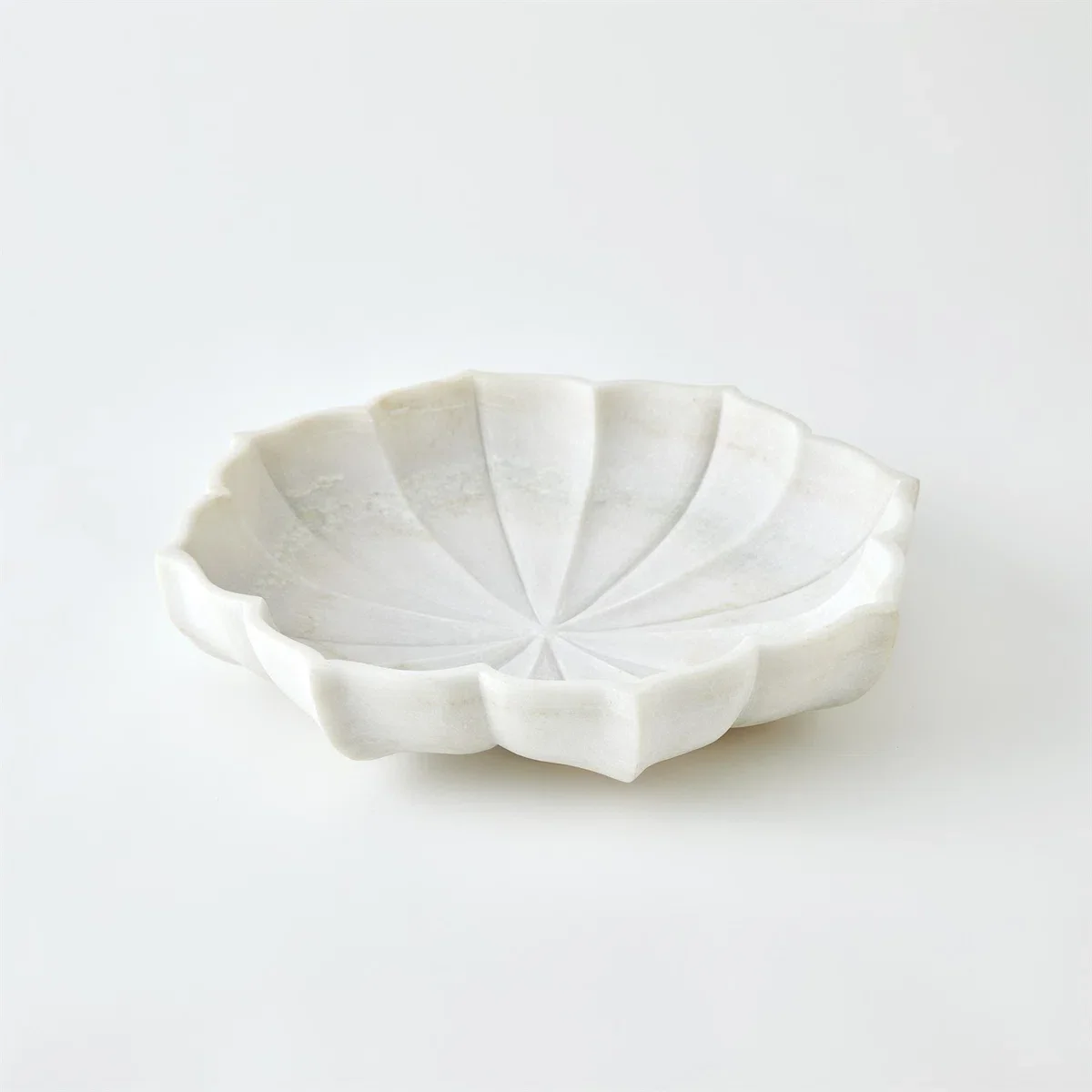
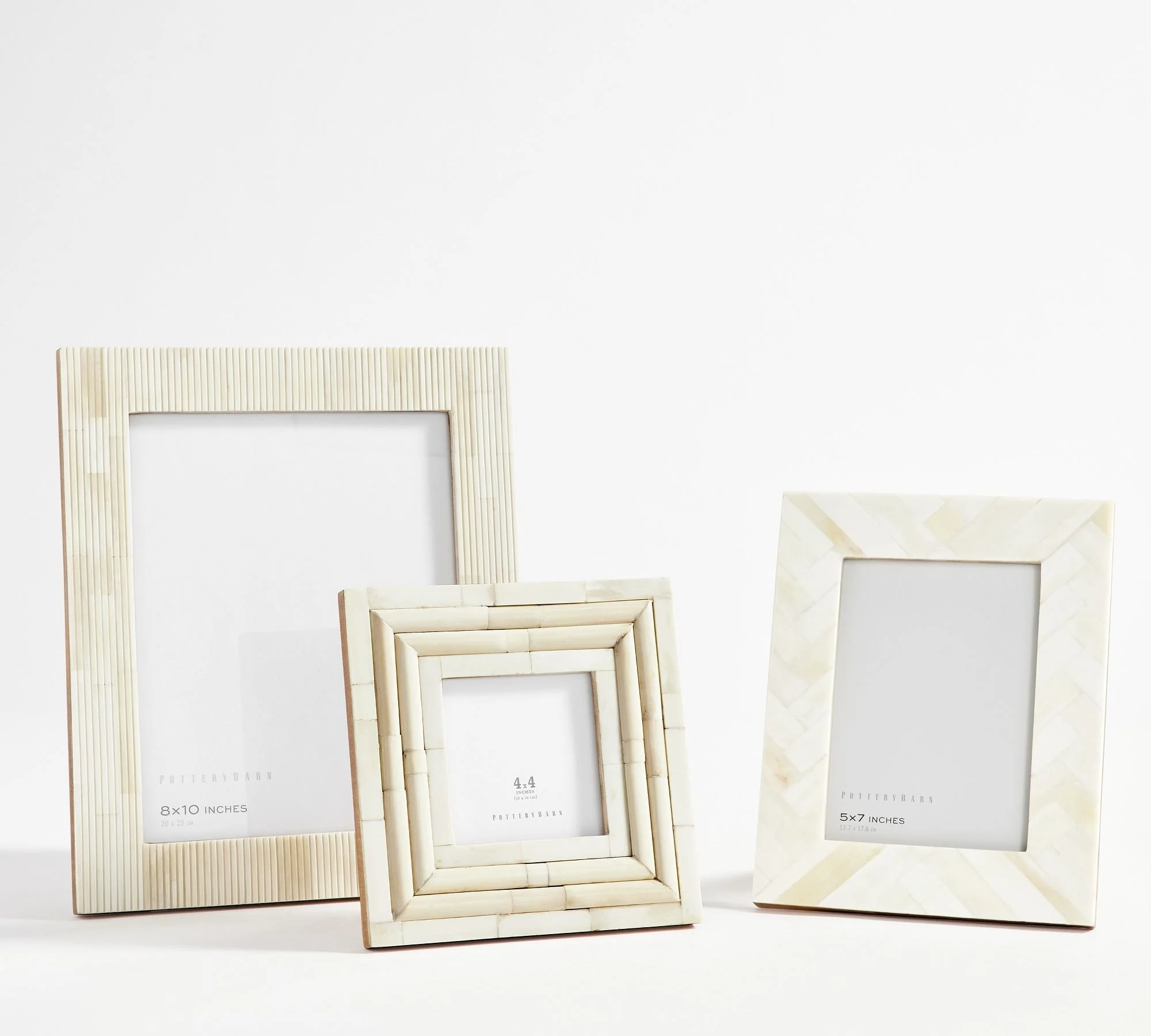
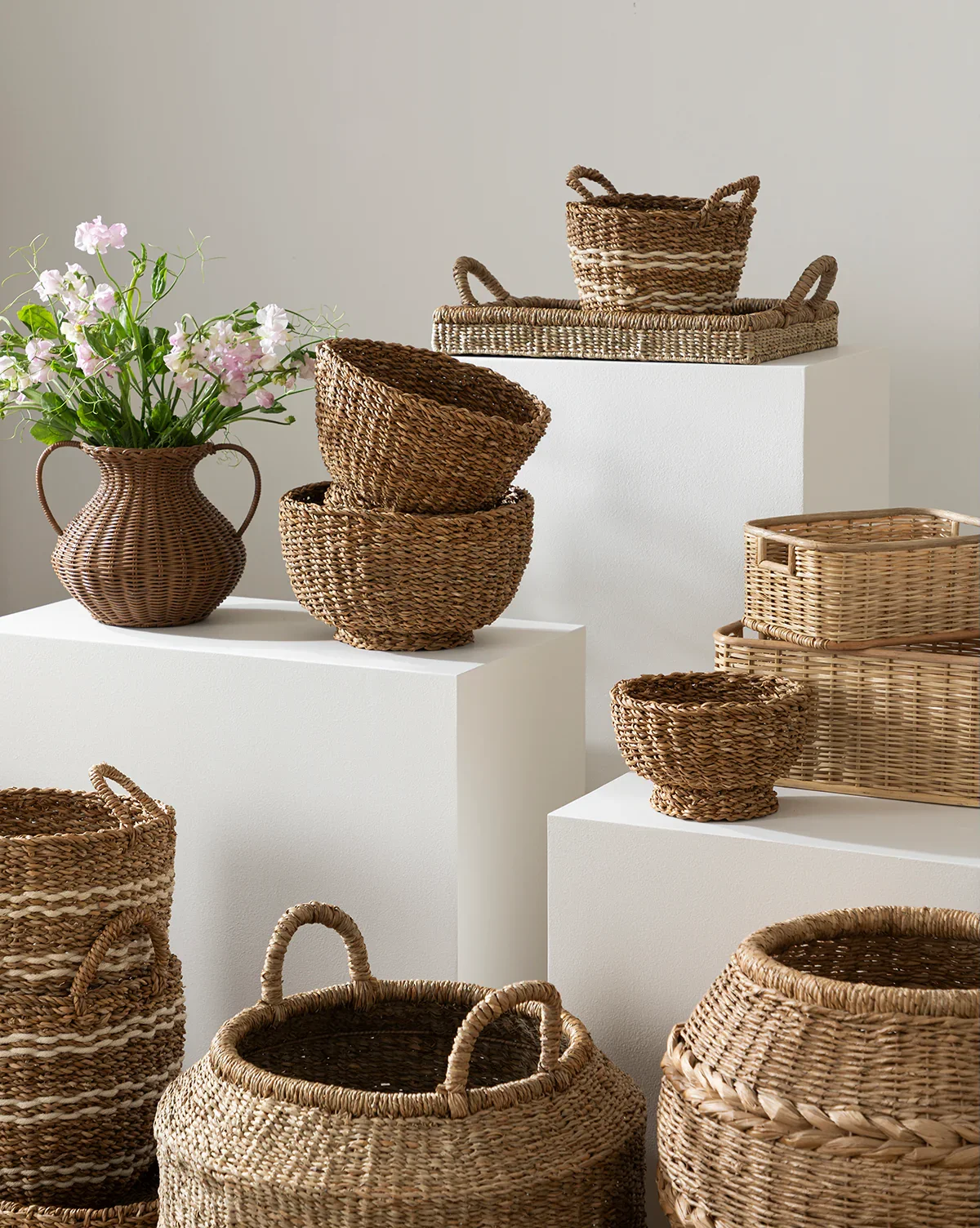
My Favorite Accessories:
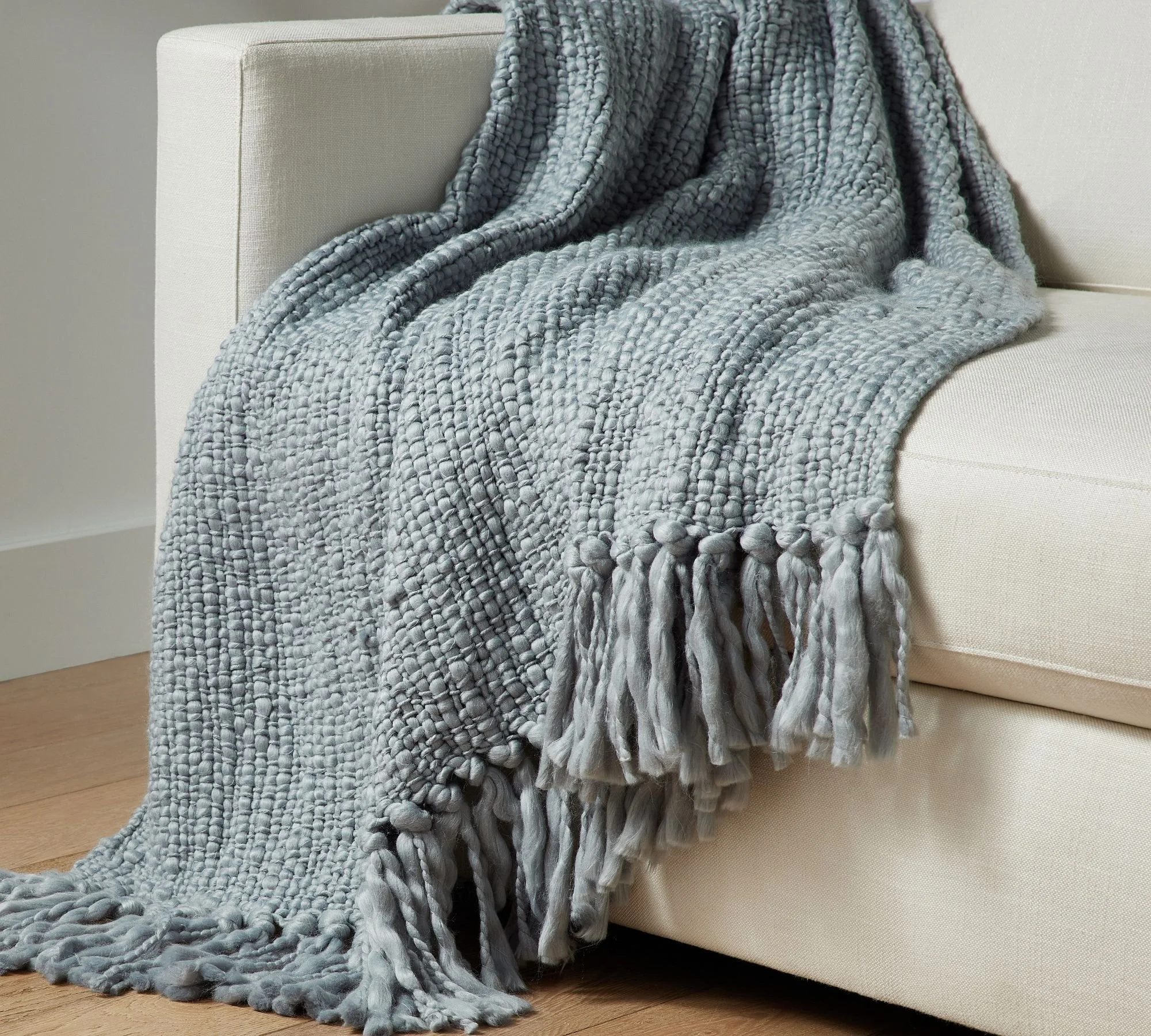
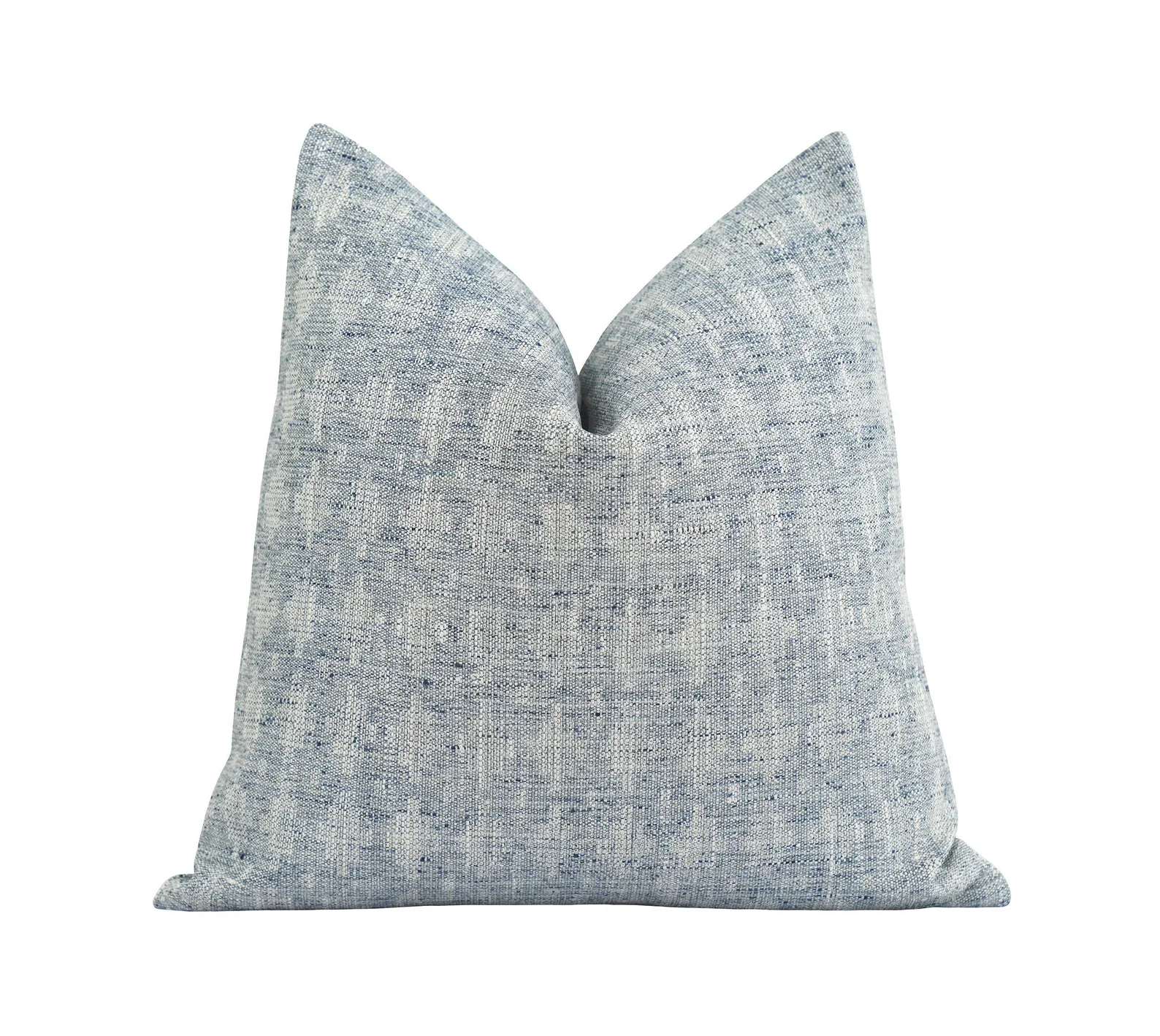
My Favorite Ways to Add Texture:
3. They Add Architectural or Visual Detail Where None Exists
Many homes—especially newer builds—lack architectural character. Designers compensate by introducing detail through surface treatments and focal moments.
High-impact, low-construction upgrades include:
Picture molding or simple trim detail
Statement mirrors or custom-feeling millwork pieces
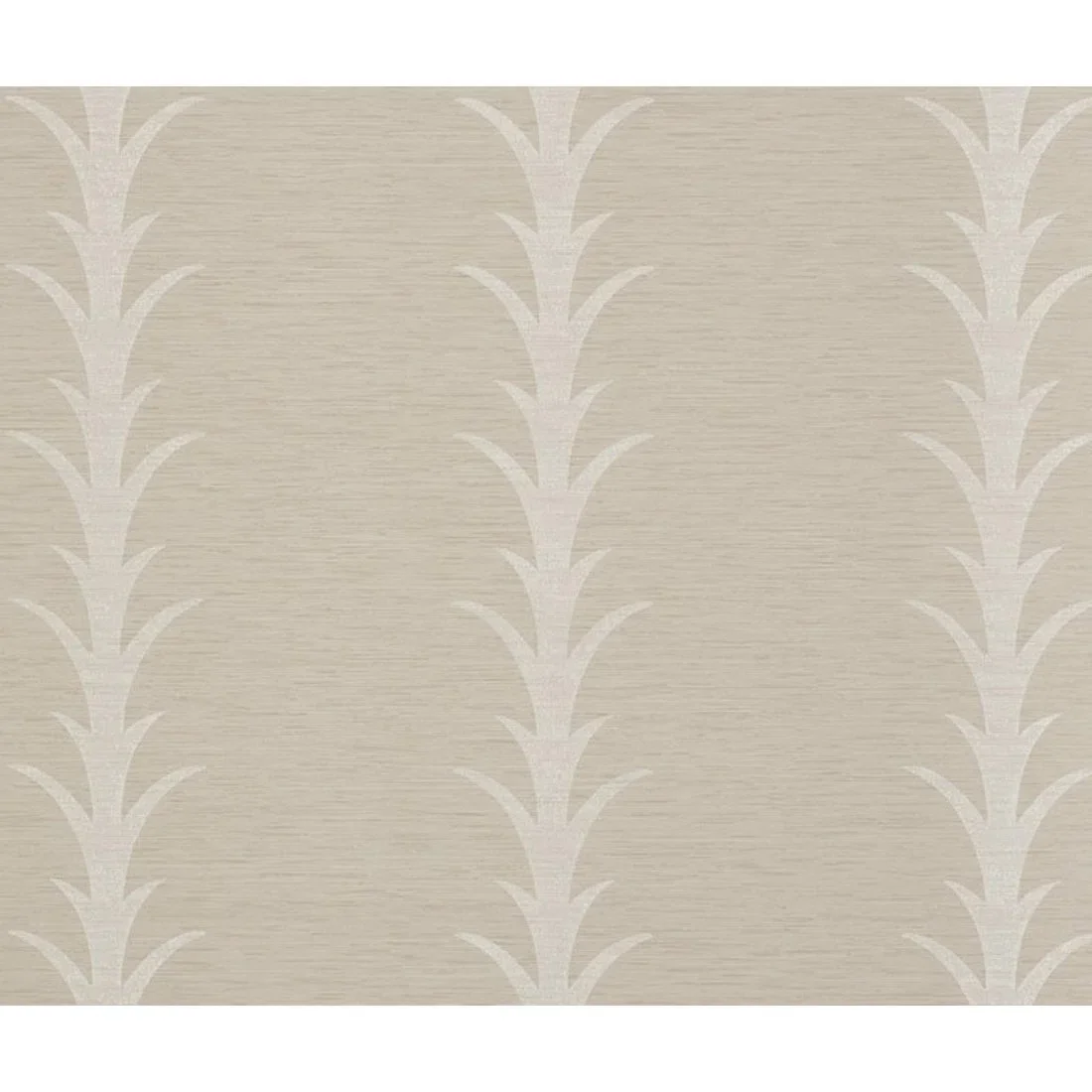
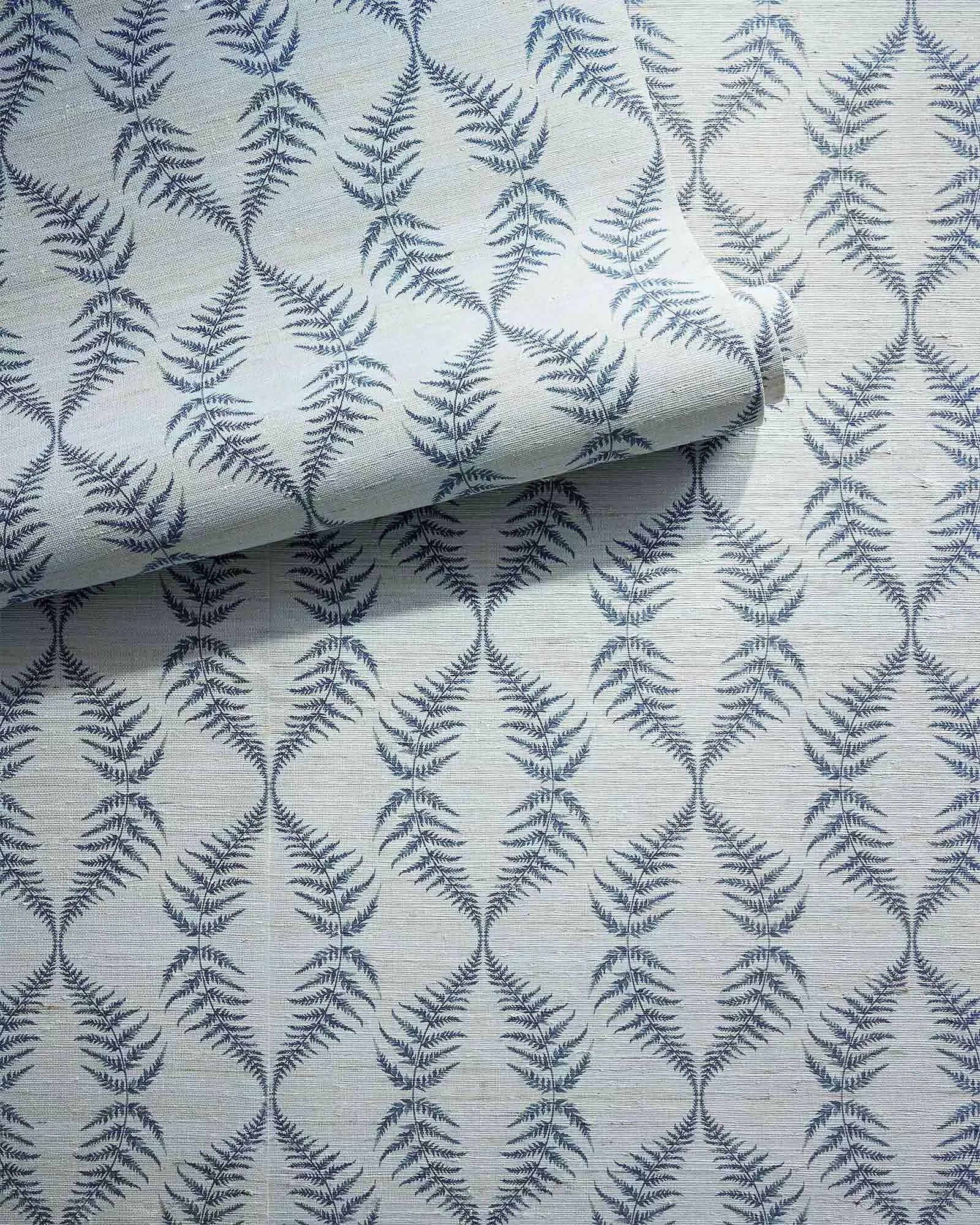
Wallpaper or wall finishes in small but strategic areas
Where designers focus first:
Entryways
Powder rooms
Dining rooms
Why it works: These elements give the eye something to rest on. They create hierarchy and visual interest, which makes the space feel intentionally designed.
Designer tip: Small rooms are ideal places to go bold—they read as curated rather than overwhelming.
High-impact pieces worth sourcing intentionally:
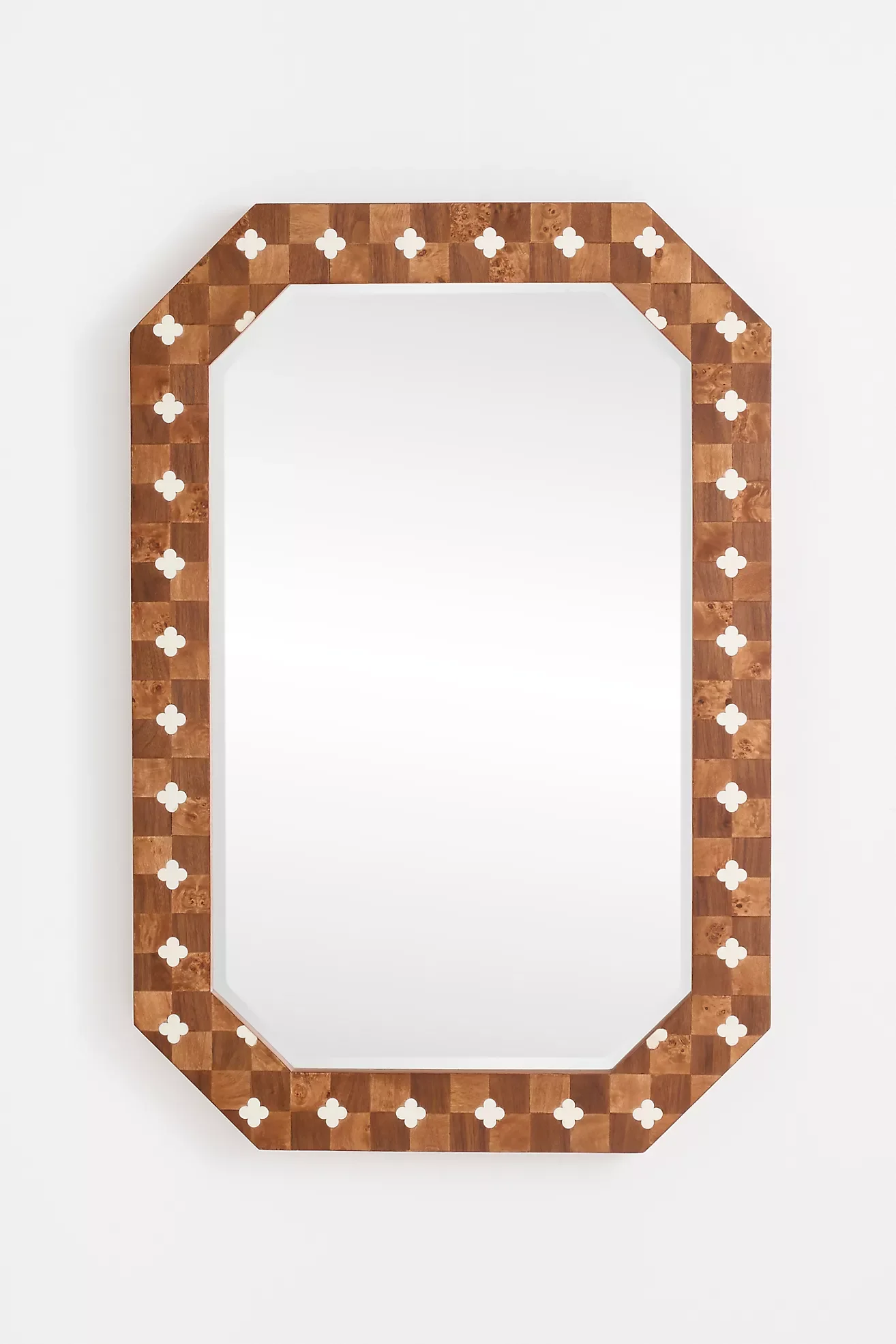
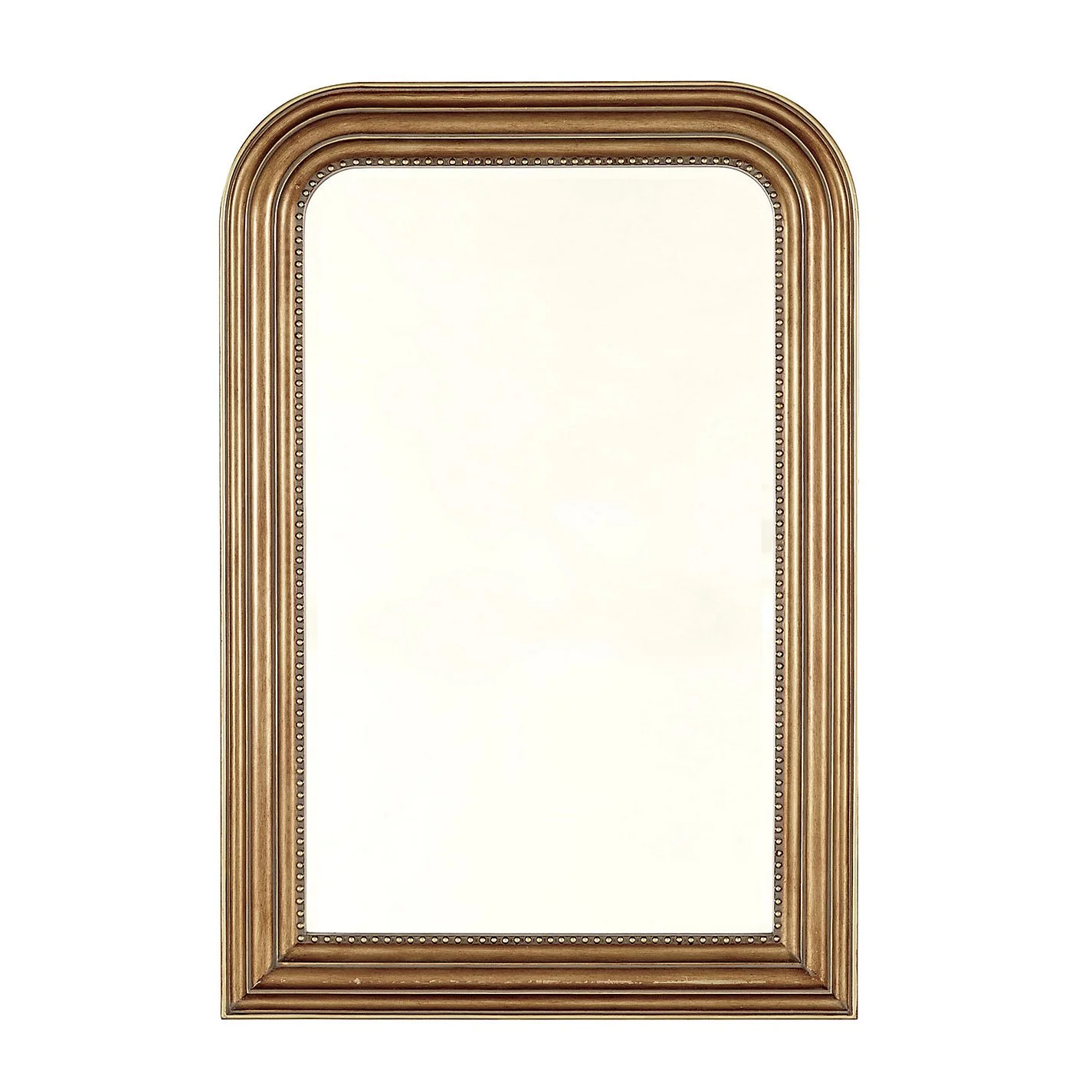
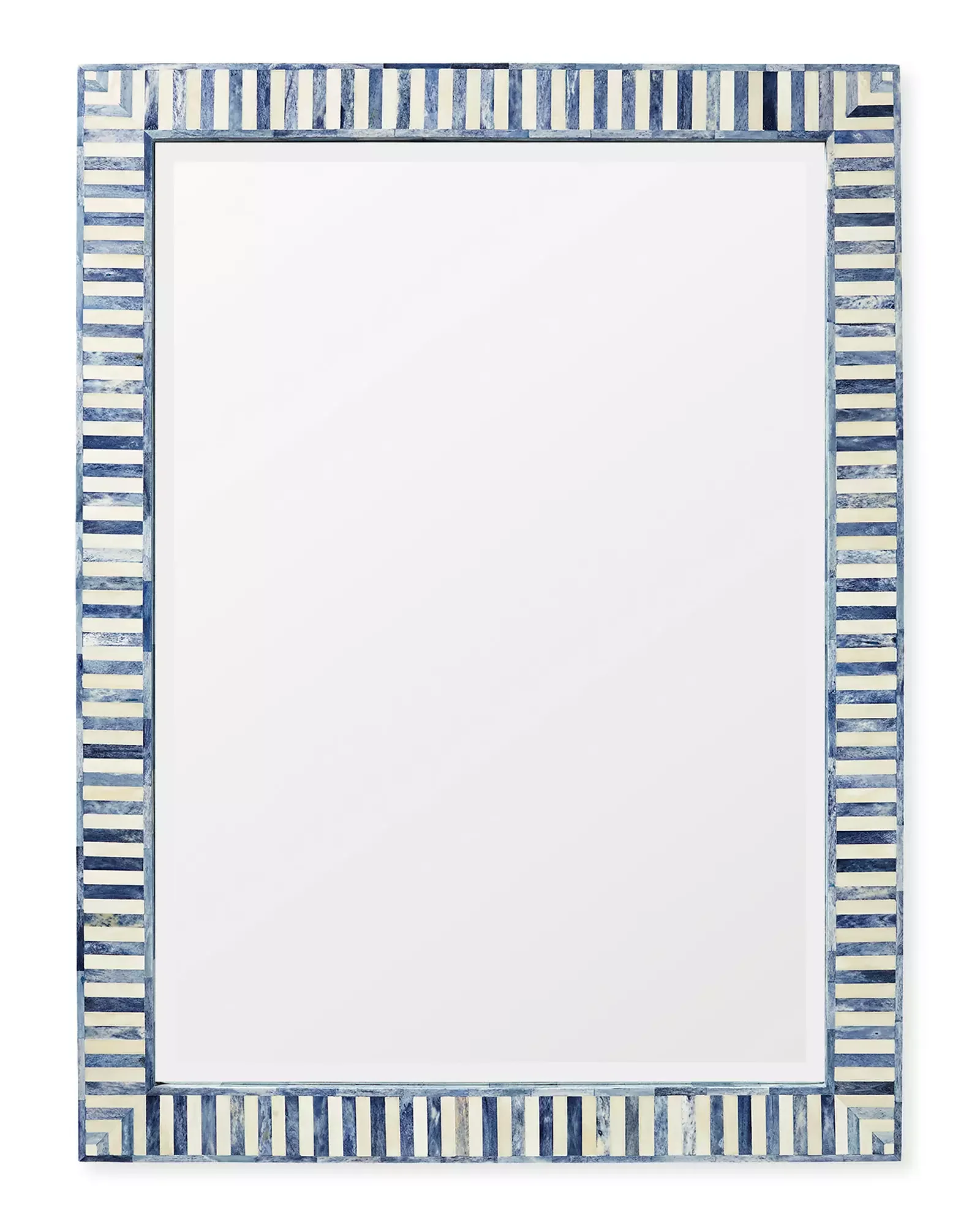
Decorative mirrors with substantial frames for powder rooms and entryways
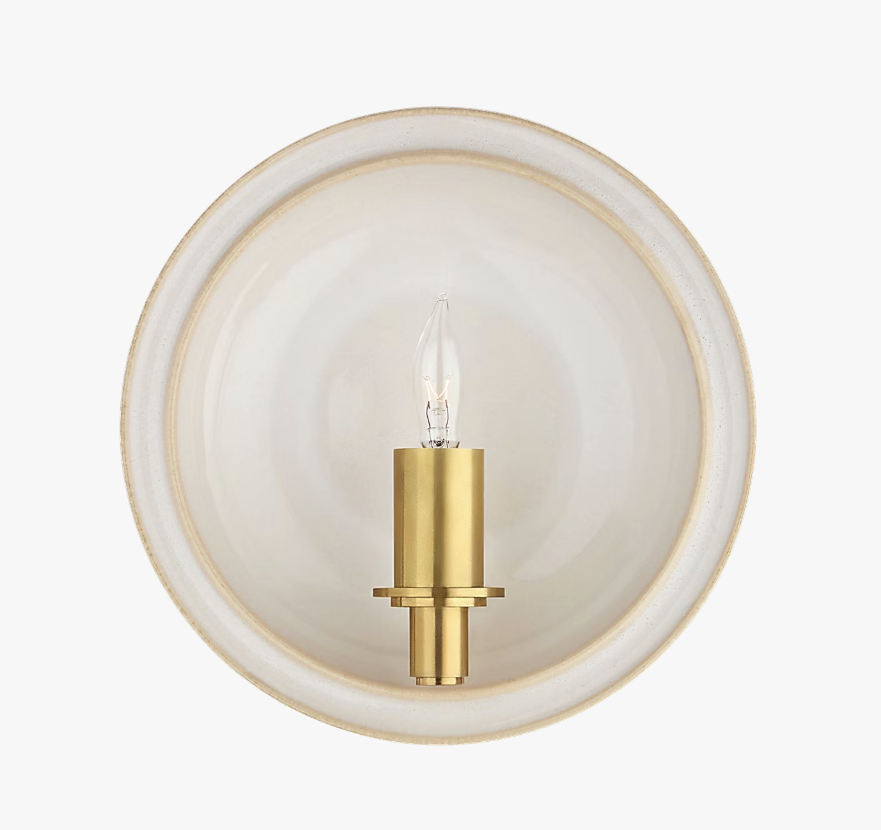
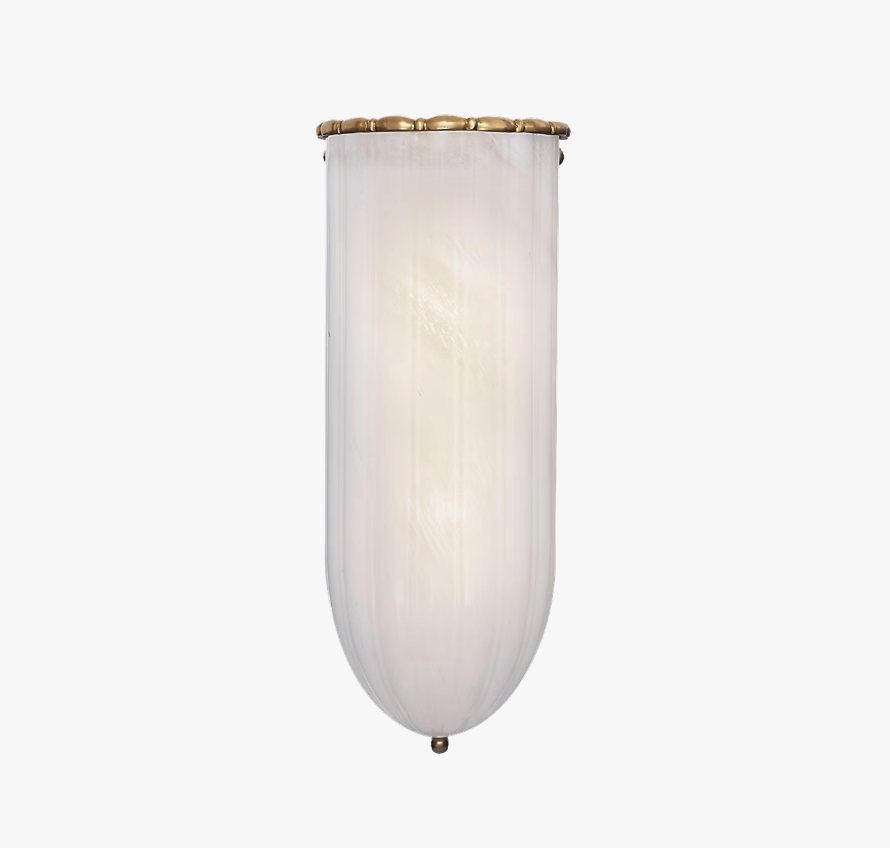
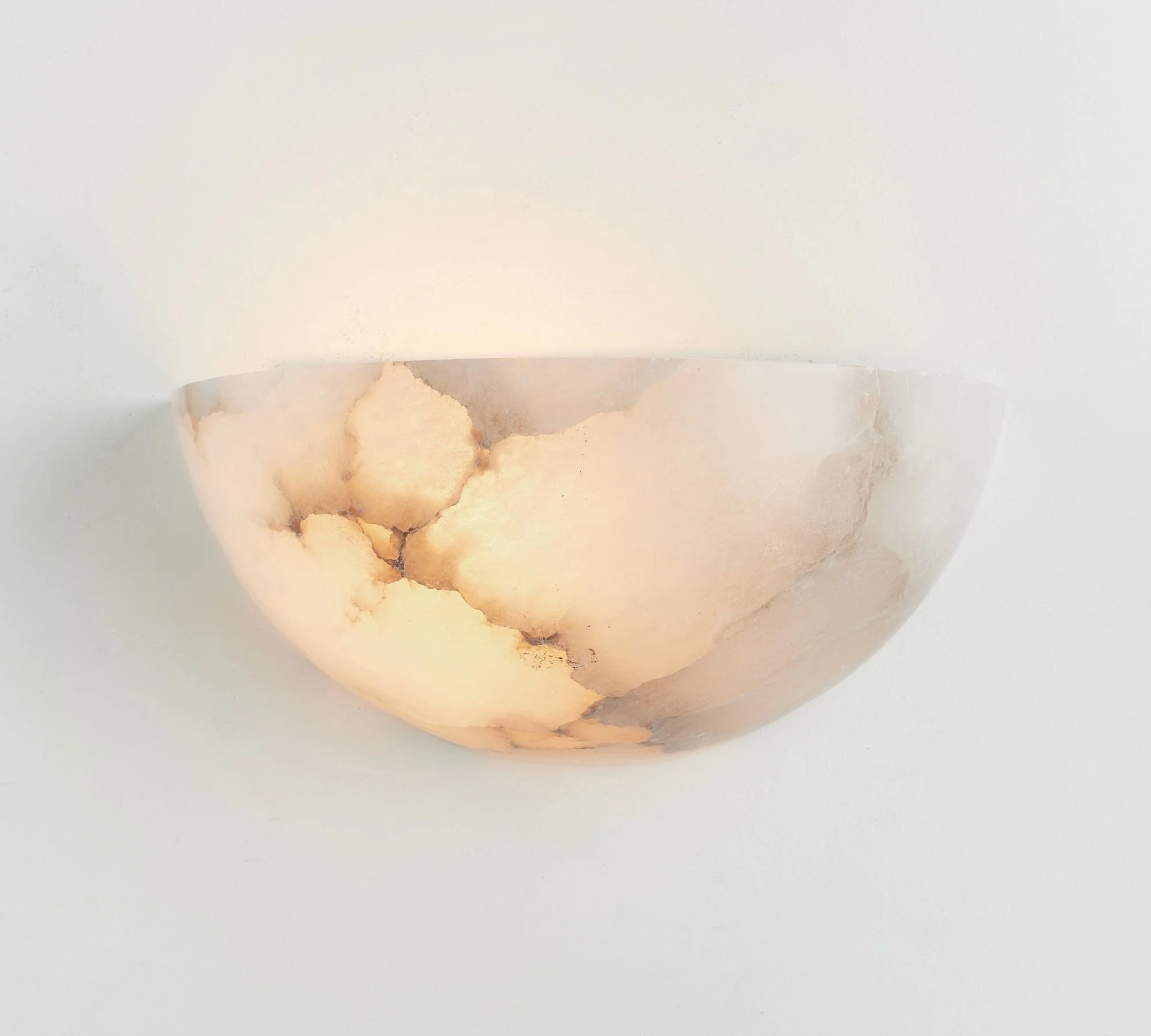
Sculptural sconces that double as lighting and wall art
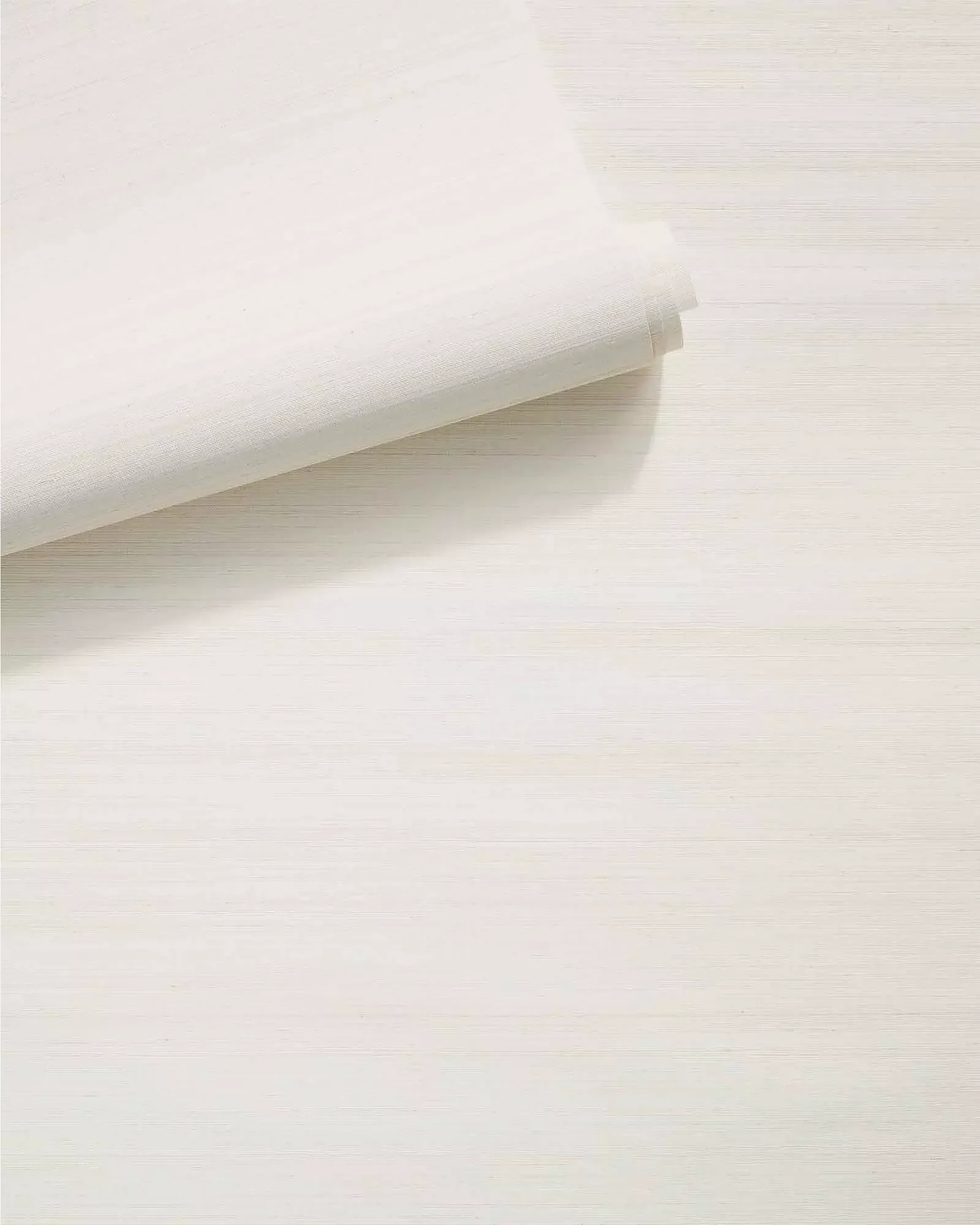
Wallpaper with depth or texture rather than busy patterns
These are ideal opportunities to invest in one standout element that elevates the entire space.
Bold Powder Room Mirrors:
Bold Sconces
My Favorite Textured Wallpapers
The Takeaway
A custom-feeling room isn’t about spending more—it’s about making fewer, better decisions. Designers prioritize scale, material layering, and visual detail because those elements create cohesion and personality.
If you apply even one of these principles thoughtfully, your space will immediately feel more polished and intentional.
If you’re looking for specific product recommendations or designer-approved sources that help achieve these upgrades, I’ve linked several of my go-to pieces throughout this site.
This post may contain affiliate links. As always, I only share products I genuinely use or specify in client projects.